
How Small Businesses Can Start Digital Marketing With No Online Presence
A small business can lose a customer before the first phone call. If people search your name and find nothing, or worse, find confusing details, they move on.
That is why digital marketing should start with trust, not tactics. You need a simple online base that answers basic questions, looks real, and gives people a reason to contact you.
Once that base is in place, you can build local search, social media, and content step by step without wasting time or money.
Start with the online basics people need to trust your business
Before ads or posting schedules, set up a place where people can verify who you are. Most customers check online first, even if they plan to call or visit in person.
A clean first impression matters because it replaces uncertainty with facts. Your goal is simple, make it easy for someone to understand your business in less than a minute.
Build a simple website that answers the most common questions
Your website does not need fancy features. It needs to feel honest, clear, and easy to use on a phone.
Start with the pages and details people ask for most:
Who you are
What you offer
Where you work
Your hours
Your phone number and email
A short contact form or call button
A one-page site can work at the start if it is well written. A few pages are better when you can manage them, especially an About page, Services page, and Contact page. If you want a deeper example of how trust-first support can be structured, see online reputation management services.
Keep the design clean. Use readable fonts, real photos, and plain language. If a visitor has to hunt for your phone number, the site is failing. If a mobile user can tap to call within seconds, the site is doing its job.

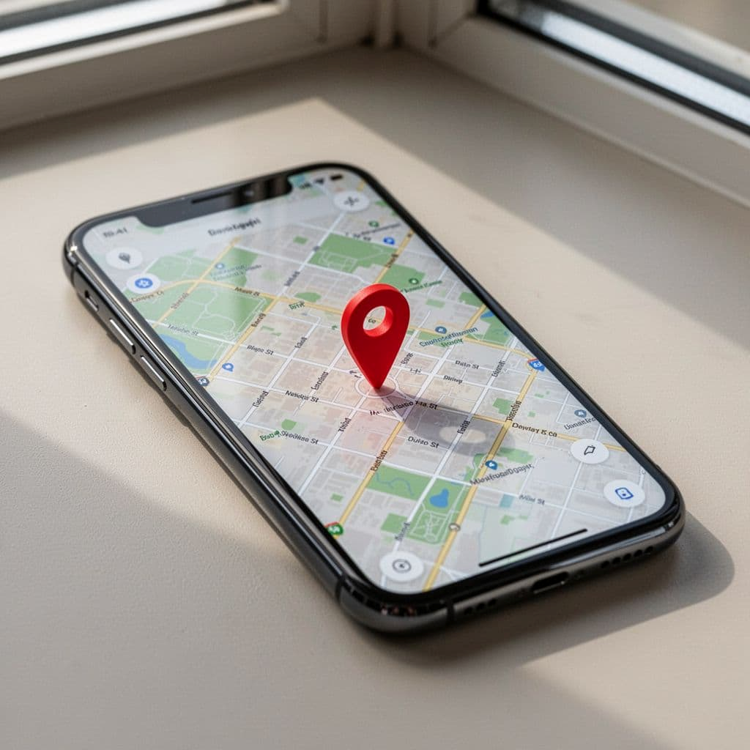
For local businesses, this is one of the fastest ways to show up in Google Maps and local search results. It also gives people a quick way to check hours, services, and directions.
Fill out every field you can:
Business name
Phone number
Website
Address or service area
Hours
Services
Photos
Short business description
Keep your details consistent across your site, profile, and social pages. A different phone number, old hours, or mismatched business name can make people doubt you. For service-area businesses, use the correct service area instead of trying to hide the fact that you visit customers.
Think of this profile as your online front door. It should look active, accurate, and easy to trust.
Choose the few marketing channels that fit your customers best
A small business does not need to be everywhere. It needs to show up where its customers already spend time.
The right channels depend on two things, who you serve and what you can keep up with. A steady plan on one or two platforms beats random posts across five.
Pick one or two social platforms instead of trying to post everywhere
If your customers are local homeowners, Facebook may bring better results than LinkedIn. If you sell visual work, Instagram or TikTok may fit better. If you work with other businesses, LinkedIn may make more sense.
For a simple overview of how these pieces fit together, digital marketing for small business is a useful starting point. The key idea is the same across every platform, choose what your audience already uses.
You do not need perfect content. You need useful, regular content. Good starter posts include project photos, behind-the-scenes moments, customer reviews, quick tips, and short updates about what you do.
Post only what you can keep up with. Two solid posts a week are better than ten posts in one burst, followed by silence.
Use basic local SEO so people can find you in search
Local SEO helps search engines understand what you do and where you work. That starts with the same words your customers use.
If someone searches for "roof repair in Keene" or "dog grooming near Bangor," your site should speak that language. Use those kinds of phrases in page titles, headings, body copy, and image descriptions.
A practical guide like digital marketing for small business: a practical guide can help you spot the basics if you are new to search work. The important part is to write for people first and search engines second.
Avoid vague page copy. Say what you do, who you help, and where you help them. Search engines need clarity, and so do people who are deciding whether to contact you.
Once people can find you, the next job is to give them a reason to believe you. That means reviews, helpful content, and simple tracking.
This is where many small businesses get stuck. They get a little traffic, then stop before that traffic turns into contact and trust.
Ask for reviews as soon as customers have a good experience
Reviews do a lot of heavy lifting for a new business. They make you look real, active, and worth contacting.
Ask soon after the job is done, while the experience is still fresh. You can ask in person, send a short text with a direct link, or follow up by email. Keep the request simple and polite.
Focus on Google first, then add Facebook or other review sites that fit your business. The exact platform matters less than the fact that you keep asking.
Reply to reviews in a calm, professional tone. A short thank-you shows that someone is paying attention. If a negative review comes in, respond with facts and restraint. That response often matters as much as the review itself.

You do not need a big blog to start. You need content that answers questions people already ask.
Short FAQ pages work well. So do brief how-to posts, simple videos, and "what to expect" pages. If you are a plumber, answer common repair questions. If you run a salon, explain how to prepare for an appointment. If you own a repair shop, show how to know when something needs service.
Helpful content reduces doubt. It also gives search engines more text to work with over time. If content feels like too much to handle alone, reputation strategy services can help connect reviews, listings, SEO, and messaging so the work does not drift in different directions.
One strong About page also helps. People want to know who is behind the business, especially in small towns where trust spreads by word of mouth.
Track the few numbers that show real progress
At the start, you do not need a complex dashboard. You need a short list of signs that people are finding and contacting you.
Track these first:
Website visits
Phone calls
Form fills
Google Business Profile views
Review growth
Those numbers tell a clearer story than likes or follower counts. A post with few likes but several calls matters more than a popular post that does nothing.
Review the numbers once a month. If your website gets visits but no calls, your contact page may be weak. If your profile gets views but your site does not, your listing may need stronger photos or a better description. If reviews are growing, keep asking.
When the work starts taking more time than you have, transparent pricing for brand protection makes it easier to compare outside help with doing it yourself.
Conclusion
A small business with no online presence does not need a huge marketing plan. It needs a clear order of operations, first trust, then visibility, then growth.
Start with a simple website and a complete Google Business Profile. Add one or two channels you can keep up with, ask for reviews, and publish helpful content that answers real questions.
That is enough to move from invisible to findable. From there, the next step is always the same, keep it clear, keep it consistent, and keep going.


Comments