
Effective Online Marketing Strategies for Small Businesses
The most effective online marketing strategies for small businesses are the ones that build trust, visibility, and steady leads without wasting money. You do not need every tactic under the sun, you need a small set of moves that match how your customers make decisions.
That matters even more in 2026, when buyers compare your website, reviews, search results, and social presence before they call. The best plan is practical, focused, and built for owners who want clear results on a tight budget.
Start with a website that helps people take action
Your website is often the first place people decide whether to call, buy, or keep looking. For small businesses, it should sit at the center of your digital marketing and visibility strategy, because every ad, post, review, and search result points back there.
A good site does more than explain what you do. It answers basic questions fast, shows that you are real, and makes the next step obvious.
Make the site fast, mobile-friendly, and easy to trust
If your site loads slowly, people leave before they read a word. That hurts every other channel, since ads and social posts can only do so much if the landing page feels weak.
Mobile design matters just as much. Many customers will find you on a phone, so the page should be easy to read, tap, and call from. Clear navigation helps too, because visitors should not have to hunt for your services or contact details.
Trust signals make a difference. Add reviews, real photos, service areas, hours, and plain language that sounds like a person wrote it. A weak site creates doubt. A clear site lowers friction.

Every main page should guide visitors toward one action. That action might be "Get a Quote," "Book a Call," "Request Service," or "Contact Us."
The key is clarity. If people have to guess what you want them to do, many will do nothing.
Keep the prompt close to the message. A service page should invite a quote. A contact page should make it easy to reach you. A homepage should point people toward the next best step, not a dozen choices.
Win local searches so nearby customers can find you first
For many small businesses, local search brings better leads than broad traffic ever will. People searching nearby already have intent, which means they are closer to calling.
A 2026 LocaliQ report on small business marketing trends shows that unpaid social, social ads, SEO, and email remain core channels. That lines up with what local owners see every day. Search still matters because it captures people at the moment they need help.
Keep your Google Business Profile complete and active
Your Google Business Profile often shapes first impressions in search and Maps. Add photos, hours, categories, services, and a short description that fits the way customers search.
Updates matter too. A few posts, fresh photos, and accurate holiday hours show that your business is active. People notice when a profile looks empty.
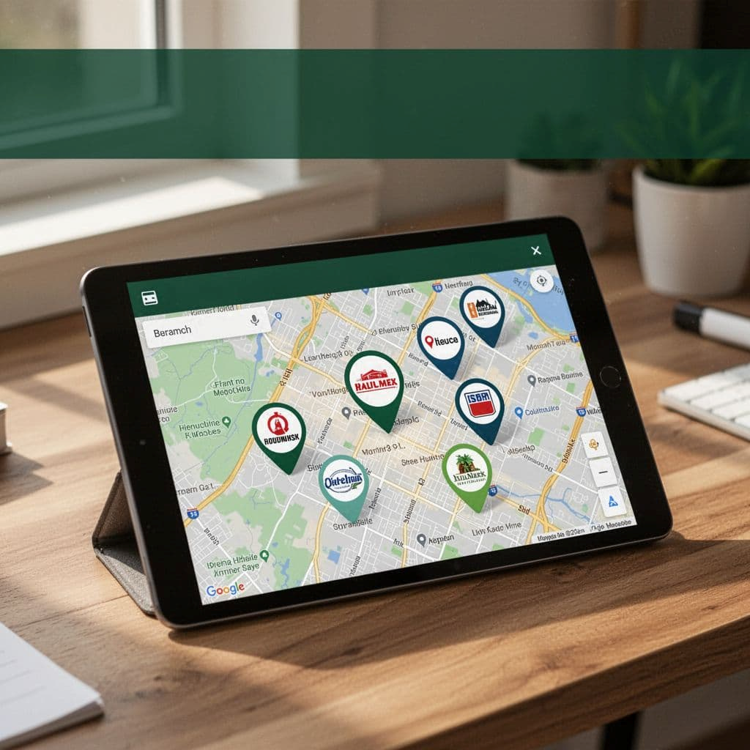
Your name, address, and phone number should match across your site, social profiles, and local directories. Even small changes can confuse search engines and customers.
If one listing says "Street" and another says "St.," that is not a disaster. Still, bigger mismatches can hurt trust and visibility. Consistency helps people confirm they found the right business.
A profile with missing hours or unanswered reviews makes people hesitate. A complete one makes the next step easier.
Use reviews and location-based content to build trust
Reviews are often the last thing people read before they decide. Replies matter too, because a thoughtful response shows that you pay attention.
If reviews are hurting your calls, online reputation management services can help you close that trust gap. Location pages, town pages, and neighborhood language also help nearby customers feel like you serve them, not just a broad market.
Choose social media channels that fit your real audience
Small businesses do better when they focus on one to three platforms, not every app that trends for a week. The goal is steady contact with the people who already have a reason to care.
Pick the channels where your customers spend time. Then show up often enough that they recognize your name. Consistency beats bursts of posting every time.
Post content that shows your work and answers real questions
The best social posts feel useful. They show what you do, how you work, and why someone should trust you.
Good ideas include customer questions, before-and-after photos, short videos, quick tips, and behind-the-scenes shots. These posts feel more real than constant sales pitches. They also give people a reason to follow you before they need you.
Short captions work well. So do simple stories from real jobs, real projects, and real outcomes.
Reply to comments and messages quickly
Social media is a relationship tool, not just a posting tool. A fast reply can move someone from curiosity to contact.
Friendly, direct responses matter more than polished ones. If someone asks a question, answer it clearly. If they send a message, do not leave it sitting for days.
That kind of attention builds trust. It also tells people that reaching out to you will not feel like a dead end.
Use email to stay in touch and bring customers back
Email is one of the cheapest ways to stay in front of people who already know you. It works well because the audience is warm, not cold.
That point shows up in this 2026 small-business marketing guide, which also highlights email as a strong return channel. For a small business, that means you can keep relationships alive without chasing new attention every day.
Send short emails that are useful, not pushy
Your emails should help first and sell second. A short newsletter, seasonal offer, service reminder, or practical tip is often enough.
People open emails that feel relevant. They skip messages that sound like spam.
Write like you are speaking to one customer. That tone feels more personal and gets better attention than a long, formal pitch.

A single email list works at first, but segmentation helps once your audience grows. You can group people by service interest, past purchase, or customer type.
That way, a repeat customer does not get the same message as a brand-new lead. The right message to the right group usually leads to better opens, more clicks, and more sales.
Create helpful content that answers buyer questions
Helpful content brings in traffic long after you publish it. It also supports SEO and helps people trust you before they ever contact you.
For small businesses, content should solve problems. It does not need to be fancy. It just needs to answer the questions buyers already ask.
Write about the questions customers already ask
Start with real questions from your inbox, phone calls, and conversations. What do people ask about price, timing, service areas, or the steps involved?
Those questions are search intent in plain form. If you answer them on your site, you help customers and improve your odds of ranking for more searches.
This works well for blogs, service pages, FAQ sections, and short videos. It also helps AI search tools understand what your business does.
Repurpose one idea into several formats
You do not need fresh ideas every day. One good topic can become a blog post, a social caption, an email, a short video, and a FAQ entry.
That saves time and keeps your message consistent. It also makes it easier to stay visible without starting over every week.
Use paid ads carefully for faster results
Paid ads can bring quick traffic, but only when they are targeted and tracked. A small business can waste a lot of money by trying to reach everyone.
A 2026 Searchlab guide on small-business marketing channels points to SEO, email, and Google Ads as strong return channels for intent-heavy traffic. That makes sense. Paid ads work best when people are already looking for what you offer.
Start small and test one message at a time
Do not launch three offers, four audiences, and five headlines at once. Start with one clear message and one clear goal.
Do not launch three offers, four audiences, and five headlines at once. Start with one clear message and one clear goal.
Small tests protect your budget. They also teach you which audience actually responds.
Stop what is not working and put more budget behind what is
Tracking matters more than guesses. If an ad gets clicks but no leads, it is not helping.
Review results often and cut weak ads fast. Then move more budget toward the message, audience, or offer that brings in real action.
Retargeting can also help here. People who already visited your site are often cheaper to reach, and they may need one more reminder before they buy.
Track the numbers that show real business growth
Online marketing only works when you measure what matters. Vanity numbers can look good, but they do not pay bills.
Focus on the outcomes that connect to revenue and repeat business. That keeps your plan grounded.
Watch leads, calls, visits, and conversions
The most useful metrics are simple:
Calls from the website
Form fills
Booked appointments
Repeat purchases
Website traffic still matters, but traffic alone does not tell the full story. If people visit and leave, you need to fix the message, offer, or page design.
Review results often and adjust the plan
A monthly review is usually enough for a small business. Look at what brought leads, what got ignored, and where people dropped off.
Then make small changes. Tightening one page, improving one profile, or refining one ad often does more than starting over.
If a channel keeps producing weak results, cut it. If one brings steady calls, give it more attention.
The mix that brings in leads
The most effective online marketing strategies for small businesses are the ones that support each other. A strong website, local SEO, social media, email, helpful content, paid ads, and tracking all work best as a system.
The common thread is trust. When people can find you, understand you, and feel confident about contacting you, marketing starts to work the way it should.
You do not need to do everything. You need to do the right things well, then keep improving the pieces that already bring in business.


Comments